మీరు గుర్తించగలిగే ఒక దృశ్యం ఇక్కడ ఉంది: "శుభ్రంగా తినండి, వ్యాయామం చేయండి, 8 గంటలు నిద్రపోండి" అనే సలహాను ప్రతి ఒక్కరూ ఇస్తున్నారు, మరియు ఇది ఇతర వ్యక్తులకు పనిచేసింది. ఈలోగా మీ శక్తి మధ్యాహ్నం 3 గంటలకి తగ్గిపోతుంది, మీ స్నేహితుడు ప్రమాణం చేసే ఆ సప్లిమెంట్ మీకు ఏమీ చేయదు, మరియు మీ శరీరం వేరే నియమాలతో నడుస్తుందా అని మీరు ఆశ్చర్యపోవడం మొదలుపెడతారు.
అది నిజం కావచ్చు. మరియు మీ DNAలో ఆ నియమాలు వ్రాయబడి ఉన్నాయి.
మీరు బహుశా జెనోమ్పత్రిని మా ప్రధాన పరీక్షగా చూసి ఉంటారు. కానీ "సమగ్ర జన్యు పరీక్ష" అనేది మీకు వాస్తవంగా ఏమీ చెప్పకుండా ఆకట్టుకునే పదబంధాలలో ఒకటి - కాబట్టి దాన్ని సరిచేద్దాం. పరిభాష లేదు, అస్పష్టమైన వాగ్దానాలు లేవు. కేవలం పరీక్ష ఏమి కవర్ చేస్తుంది, అది ఎలా పనిచేస్తుంది, మరియు అది నిజంగా మీకు విలువైనదా కాదా అని తెలుసుకుందాం.
ముందుగా, ఒక అపోహను తొలగిద్దాం
జెనోమ్పత్రి ఒక క్రిస్టల్ బాల్ కాదు, అది ఒక రోగ నిర్ధారణ కూడా కాదు. మీకు ఒక వ్యాధి ఉందని అది చెప్పదు - ఏ హెడ్లైన్ మీకు వాగ్దానం చేసినా, ఎవరి DNA కూడా అలా పనిచేయదు. ఇది మీ జన్యుపరమైన పూర్వస్థితులను మ్యాప్ చేస్తుంది: మీ DNAలో వ్రాయబడిన ప్రమాదాలు మరియు ధోరణులు, మీరు వాస్తవంగా ఎలా జీవిస్తున్నారనే దానితో కలిపి, మీ ఆరోగ్యం ఎటువైపు వెళుతుందో తెలియజేస్తుంది. దీన్ని ఒక జ్యోతిష్యుడు కంటే మీ శరీరం కోసం ఒక వివరణాత్మక వాతావరణ అంచనాగా భావించండి - ఇది మీరు దేనికి సిద్ధంగా ఉండాలో చెబుతుంది, ఏమి జరుగుతుందని హామీ ఇవ్వదు. చాలా మంది ఊహించిన దానికంటే ఇది మరింత ముందుకు వెళుతుంది, ఆ అంచనా తర్వాత ఏమి వస్తుంది: దానితో ఏమి చేయాలో ఒక వాస్తవ ప్రణాళిక, దాని గురించి మనం తర్వాత తెలుసుకుందాం.
తెలుసుకోవలసిన మరో విషయం: ఇది ఒకసారి చేసే పరీక్ష. మీ DNA మారదు, కాబట్టి ప్రతి సంవత్సరం మీరు పునరావృతం చేసే రక్త పరీక్షలా కాకుండా, మీరు జెనోమ్పత్రిని ఒకసారి తీసుకుంటారు మరియు మీ జీవితాంతం దాన్ని తిరిగి చూడవచ్చు.
అసలు నివేదికలో ఏముంది?
జెనోమ్పత్రి ఐదు ప్రధాన విభాగాలలో మీ జన్యుపరమైన నిర్మాణాన్ని పరిశీలిస్తుంది - మరియు ప్రతి ఒక్కదానిలో వివరణాత్మక స్థాయి "మీరు ప్రమాదంలో ఉన్నారు, అదృష్టం" కంటే చాలా నిర్దిష్టంగా ఉంటుంది:
1. వ్యాధి ప్రమాదం మరియు పూర్వస్థితి
ఇది పరీక్షకు కేంద్రం - శరీర వ్యవస్థ ద్వారా నిర్వహించబడే అనేక రకాల పరిస్థితులలో మీ జన్యుపరమైన సంభావ్యత. ప్రజలు ఊహించని భాగం ఇక్కడ ఉంది: మీ నివేదిక కేవలం విషయాలపై "ఎక్కువ" లేదా "తక్కువ" లేబుల్ను అంటించదు - ఇది సాధారణ జనాభాతో పోలిస్తే మీ నిర్దిష్ట సాపేక్ష ప్రమాదాన్ని చూపుతుంది (ఉదాహరణకు, "మీ ప్రమాదం జనాభా సగటు కంటే 2x"). ఇది మీరు వాస్తవంగా ఏదైనా చేయగలిగే ఒక నిజమైన సంఖ్య, అస్పష్టమైన హెచ్చరిక కాదు - మరియు స్పష్టంగా చెప్పాలంటే, అధిక జన్యుపరమైన ప్రమాదం జీవిత ఖైదు కాదు. దీని అర్థం మీకు మరియు మీ డాక్టర్కు ఒక మంచి ప్రారంభం లభిస్తుందని మాత్రమే.
మూల్యాంకనం చేయబడిన పరిస్థితుల పూర్తి జాబితాలో ఇవి ఉన్నాయి:
- గుండె సంబంధిత వ్యాధులు: ఏట్రియల్ ఫిబ్రిలేషన్, కరోనరీ హృదయ వ్యాధి, స్ట్రోక్, లాంగ్ క్యూటి ఇంటర్వెల్, హైపర్ట్రోఫిక్ కార్డియోమయోపతి, వెనస్ థ్రోంబోఎంబోలిజం, మరియు సడన్ కార్డియాక్ అరెస్ట్.
- ఎండోక్రైన్ & మెటబాలిక్: టైప్ 1 డయాబెటిస్, టైప్ 2 డయాబెటిస్ (ఇన్సులిన్ రెసిస్టెన్స్), మరియు హైపోథైరాయిడిజం.
- క్యాన్సర్లు: కొలొరెక్టల్ క్యాన్సర్, ఊపిరితిత్తుల క్యాన్సర్, ప్యాంక్రియాటిక్ క్యాన్సర్, మూత్రాశయ క్యాన్సర్, మెలనోమా, రీనల్ సెల్ కార్సినోమా, బేసల్ సెల్ కార్సినోమా, ఫోలిక్యులర్ లింఫోమా, క్రానిక్ లింఫోసైటిక్ ల్యూకేమియా, హాడ్జికిన్స్ లింఫోమా, ప్రోస్టేట్ క్యాన్సర్, థైరాయిడ్ క్యాన్సర్, మరియు టెస్టిక్యులర్ క్యాన్సర్.
- కాలేయం, జీర్ణకోశ & మూత్రపిండాలు: సిలియాక్ వ్యాధి, కాలేయ సిర్రోసిస్, క్రానిక్ కిడ్నీ వ్యాధి, క్రోన్స్ వ్యాధి, మరియు అల్సరేటివ్ కొలిటిస్.
- నాడీ & మానసిక: అల్జైమర్స్ వ్యాధి, పార్కిన్సన్స్ వ్యాధి, మల్టిపుల్ స్క్లెరోసిస్ (MS), స్కిజోఫ్రెనియా, బైపోలార్ డిసార్డర్, మైగ్రేన్, అమియోట్రోఫిక్ లాటరల్ స్క్లెరోసిస్ (ALS), మరియు రెస్ట్లెస్ లెగ్స్ సిండ్రోమ్.
- ఇన్ఫ్లమేటరీ & ఆటోఇమ్యూన్: ఆంకిలోసింగ్ స్పాండిలైటిస్ (AS), రుమటాయిడ్ ఆర్థరైటిస్, ఆస్తమా, మరియు సిస్టమిక్ లూపస్ ఎరిథెమాటోసస్ (లూపస్).
- కళ్ళు, చర్మం & పురుషుల ఆరోగ్య పరిస్థితులు: వయస్సు-సంబంధిత మాక్యులర్ డిజెనరేషన్ (AMD), అటోపిక్ డెర్మటైటిస్, సోరియాసిస్, విటిలిగో, పురుషులలో జుట్టు రాలడం, మరియు PSA స్థాయిలు (ప్రోస్టేట్-నిర్దిష్ట యాంటిజెన్).
2. ఫిట్నెస్ మరియు జీవనశైలి లక్షణాలు
మీ శరీరం వ్యాయామానికి ఎలా ప్రతిస్పందిస్తుంది, నిద్ర చక్రం, కండరాల ఫైబర్ కూర్పు, వ్యాయామం చేయడానికి ప్రేరణ, మరియు కెఫిన్ లేదా ఆల్కహాల్ సున్నితత్వం వంటి జీవనశైలి పోకడల నుండి - ఈ మార్కర్లు సాధారణ ఫిట్నెస్ సలహా మిమ్మల్ని ఎందుకు నిరాశపరుస్తుందో వివరిస్తాయి. కొందరు వ్యక్తులు మరింత వేగవంతమైన కండరాల ఫైబర్లతో నిర్మించబడ్డారు, స్ప్రింట్ మరియు శక్తి కోసం రూపొందించబడ్డారు; మరికొందరు సహనశక్తి వైపు మొగ్గు చూపుతారు. మీ జన్యువులు ఇప్పటికే ఒక మార్గాన్ని ఎంచుకున్నాయి. ఏది అని తెలుసుకోవడం మంచిది.
ఈ వర్గంలో పరీక్షించిన పారామితులు వీటిని కలిగి ఉన్నాయి:
- క్రీడలు & పనితీరు: వ్యాయామం చేయడానికి ప్రేరణ, VO₂ గరిష్ట సామర్థ్యం, కండరాల అలసట, కండరాల పనితీరు (వేగవంతమైన-ట్విచ్ vs. నెమ్మదిగా-ట్విచ్ కండరాల ఫైబర్ నిష్పత్తి), మరియు ఎముక ఖనిజ సాంద్రత.
- చర్మం & జుట్టు లక్షణాలు: జుట్టు ఆకృతి, జుట్టు రంగు, కంటి రంగు, కనుబొమ్మల మందం, చర్మం రంగు, సన్ బర్న్ సున్నితత్వం, టాన్ అయ్యే సామర్థ్యం, మరియు ఫ్రెక్లింగ్.
- జీవనశైలి & ప్రవర్తన: నిద్ర చక్రం (క్రోనోటైప్), నిద్ర వ్యవధి, నిద్ర లోతు, అధిక ఎత్తులో అనుకూలత, తీపి వస్తువుల పట్ల ఆసక్తి, చేదు రుచి గ్రహణశక్తి, నికోటిన్ వ్యసనం, ఆల్కహాల్ వ్యసనం, ఆల్కహాల్ ఫ్లష్ రియాక్షన్, మరియు కెఫిన్ వ్యసనం.
- ప్రవర్తనా & అభిజ్ఞా లక్షణాలు: భావోద్వేగ స్థితిస్థాపకత & నొప్పి పరిమితి, నేర్చుకునే సామర్థ్యం (లోపం-పునరావృత ధోరణి), మరియు జ్ఞాపకశక్తి.
3. పోషణ మరియు జీవక్రియ
మీ జన్యువులు మీరు వివిధ పోషకాలను ఎంత బాగా గ్రహిస్తారు మరియు ఉపయోగిస్తారో నిశ్శబ్దంగా నిర్ణయిస్తాయి - మీ స్నేహితుని శక్తి స్థాయిలను మార్చిన ఆహారం మీకు ఎందుకు పని చేయలేదో దీనికి ఒక పెద్ద భాగం. ఈ పరీక్ష నిర్దిష్ట ధోరణులను గుర్తిస్తుంది, మీకు కొన్ని విటమిన్లు ఎక్కువగా అవసరమా లేదా నెమ్మదిగా డిటాక్స్ లేదా ఆహార కొవ్వుకు అధిక సున్నితత్వం వైపు జన్యుపరమైన మొగ్గు చూపుతారా అని చూపుతుంది. అకస్మాత్తుగా "శుభ్రంగా తినండి" అనేది మరింత నిర్దిష్టంగా మారుతుంది.
పరీక్షించిన పారామితులు వీటిని కలిగి ఉన్నాయి:
- పోషకాహార అవసరాలు: విటమిన్ D, విటమిన్ C, విటమిన్ B12, విటమిన్ B9 (ఫోలేట్), విటమిన్ B6, మరియు ఆరోగ్యకరమైన కొవ్వులు (PUFA).
- జీవక్రియ & బరువు నిర్వహణ: జన్యుపరమైన ఊబకాయం ప్రమాదం, డిటాక్స్ సామర్థ్యం, మరియు ఆహార కొవ్వు సున్నితత్వం. గుండె సంబంధిత బయోమార్కర్ ధోరణులు: చెడు కొలెస్ట్రాల్ (LDL), మంచి కొలెస్ట్రాల్ (HDL), హోమోసిస్టీన్, రక్తపోటు, మరియు ట్రైగ్లిజరైడ్స్.
- ఆహార అలెర్జీలు & సున్నితత్వాలు: వేరుశెనగ అలెర్జీ మరియు లాక్టోస్ అసహనం.
4. ఔషధ మరియు మందుల ప్రతిస్పందన (ఫార్మాకోజెనోమిక్స్)
ఇతర వ్యక్తులకు అద్భుతంగా పనిచేసిన ఒక మందు మీకు అస్సలు పనిచేయలేదా? అది మీ మనసులో లేదు - దీనిలో చాలా వరకు జన్యుశాస్త్రం పాత్ర ఉంది. జెనోమ్పత్రి సాధారణ మందుల కోసం ఫార్మాకోజెనోమిక్ అంతర్దృష్టులను కలిగి ఉంటుంది, మీరు కొన్ని గుండె, నొప్పి మరియు జీర్ణకోశ మందులను ఎంత త్వరగా జీవక్రియ చేస్తారు వంటివి. మీ జన్యుశాస్త్రం ఒక నిర్దిష్ట మందు కోసం మిమ్మల్ని "వేగవంతమైన జీవక్రియ చేసే వ్యక్తి"గా గుర్తిస్తే, ప్రామాణిక మోతాదు అది పనిచేయడానికి అవకాశం లేకుండానే మీ శరీరం నుండి బయటకు వెళ్లిపోవచ్చు. ఇది ఒక ప్రిస్క్రిప్షన్ తీసుకునే ముందు మీ డాక్టర్కు చెప్పదగిన విషయం, అది పనిచేయని తర్వాత కాదు.
పరీక్షించిన మందులు: ఫ్లుర్బిప్రోఫెన్ (NSAID/నొప్పి నివారణ), ఫ్లోరోరసిల్ (కీమోథెరపీ), క్లోపిడోగ్రెల్ (యాంటీప్లేట్లెట్/రక్తాన్ని పల్చబరచడం), కోడిన్ (ఓపియాయిడ్ నొప్పి నివారణ), గ్లిపిజైడ్ (డయాబెటిస్ మందు), ఒమెప్రజోల్ (ప్రోటాన్ పంప్ ఇన్హిబిటర్/యాసిడ్ రిఫ్లక్స్), సిమ్వాస్టాటిన్ (స్టాటిన్/కొలెస్ట్రాల్ మందు), థియోపురైన్స్ (ఇమ్యునోసప్రెసెంట్స్/క్యాన్సర్), ట్రామాడోల్ (నొప్పి నివారణ), మరియు వార్ఫారిన్ (యాంటీకోయాగ్యులెంట్/రక్తాన్ని పల్చబరచడం).
5. క్యారియర్ స్థితి మరియు కుటుంబ ప్రణాళిక
కుటుంబం ప్లాన్ చేస్తున్న వారికి, ఈ పరీక్ష వంశపారంపర్య రెసెసివ్ పరిస్థితులకు సంబంధించిన జన్యు వైవిధ్యాలను తనిఖీ చేస్తుంది. మీరు కుటుంబం ప్లాన్ చేయడానికి ముందు, జన్యు కౌన్సిలర్ మీకు సహాయం చేయగల పరిస్థితిలో, ఇది తెలుసుకోవలసిన విషయం.
క్యారియర్ పరిస్థితులు పరీక్షించబడినవి: గ్లూకోజ్-6-ఫాస్ఫేట్ డీహైడ్రోజినేస్ (G6PD) లోపం మరియు ఫెనిల్కెటోనూరియా (PKU).
ఇది వాస్తవానికి ఎలా పనిచేస్తుంది
సూదులు లేవు, క్లినిక్ సందర్శన లేదు, నాటకం లేదు. ప్రక్రియ మొత్తం ఇక్కడ ఉంది:
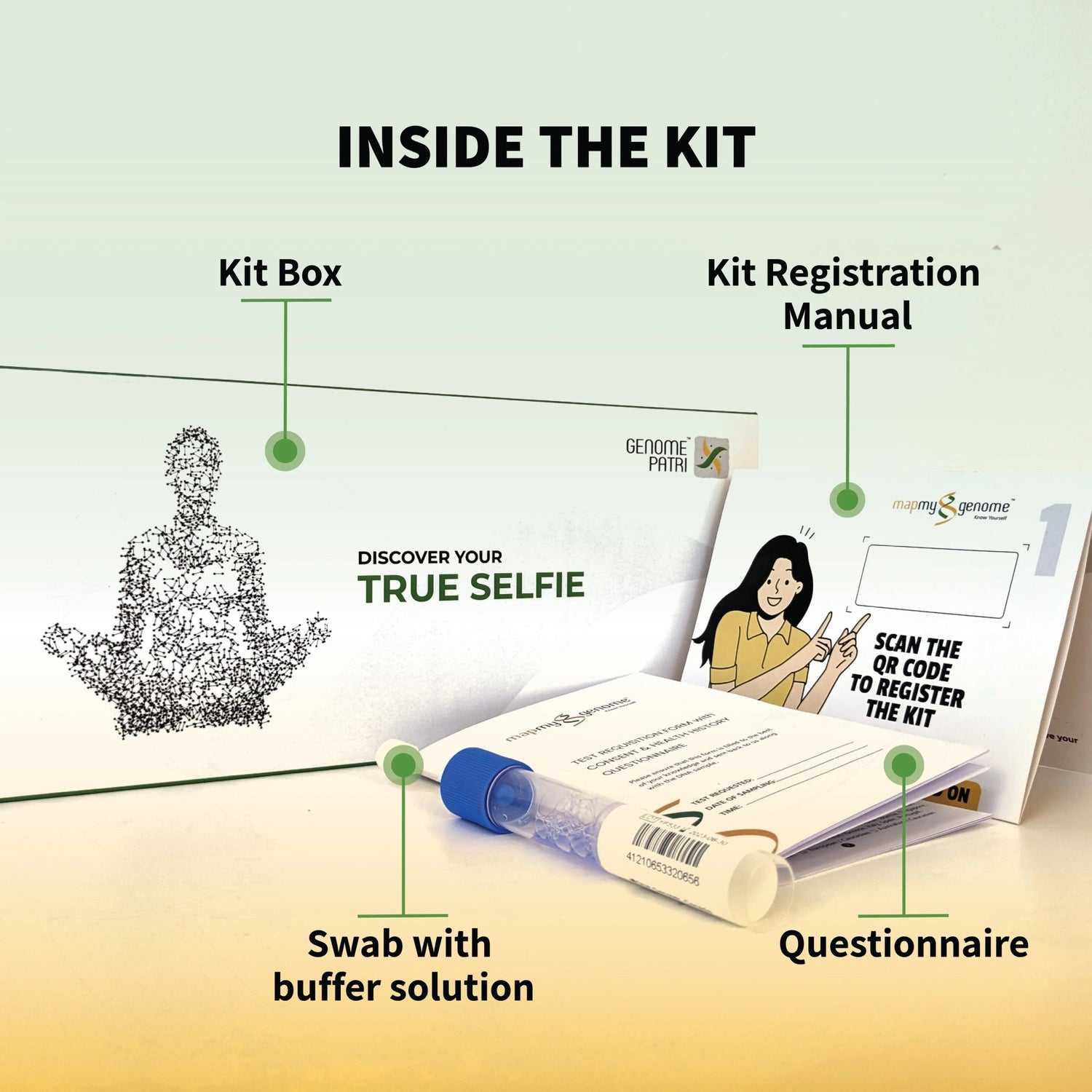
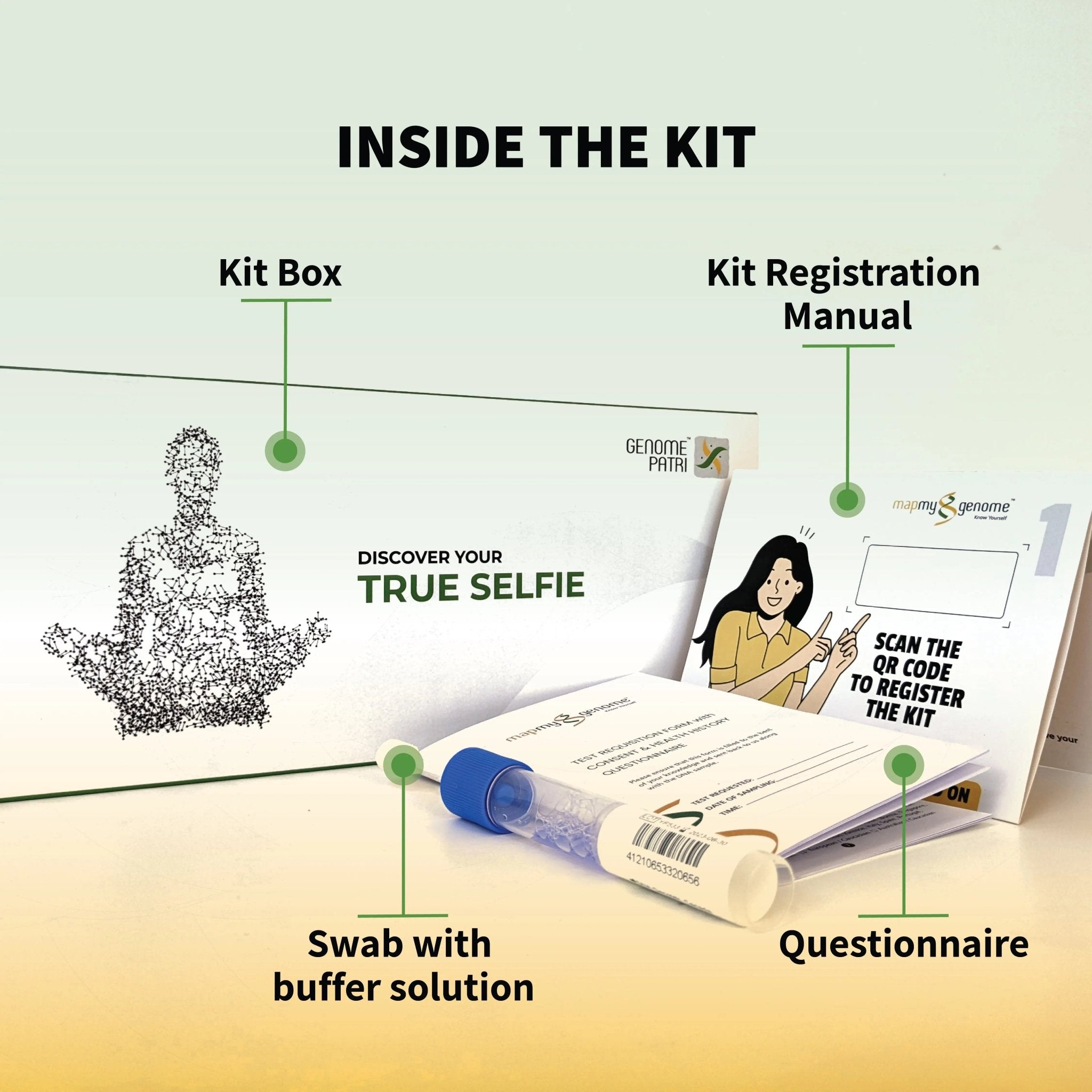
- నమూనా సేకరణ. మేము మీకు పంపే కిట్ని ఉపయోగించి మీరు ఇంట్లోనే ఒక సాధారణ లాలాజలం లేదా స్వాబ్ నమూనాని అందిస్తారు.
- ప్రయోగశాల విశ్లేషణ. మీ నమూనా మా ధృవీకరించబడిన ప్రయోగశాలకు వెళుతుంది, అక్కడ మీ DNA సంగ్రహించబడి, జన్యు మార్కర్ల నిర్దిష్ట సమితికి వ్యతిరేకంగా విశ్లేషించబడుతుంది.
- మీ నివేదిక. మీరు మీ ముడి జన్యు డేటాను పైన పేర్కొన్న వర్గాలలో సామాన్య భాషా అంతర్దృష్టులుగా అనువదించే వివరణాత్మక నివేదికను అందుకుంటారు.
- జన్యు కౌన్సిలింగ్. ఇది నిజంగా ముఖ్యమైనదిగా మరియు ఇతర చోట్ల తరచుగా విస్మరించబడినదిగా మేము భావించే ఒక దశ - మీరు మీ ఫలితాలను పరిశీలించడానికి, మీ ప్రశ్నలకు సమాధానం ఇవ్వడానికి మరియు దేనిపై (ఏమైనా ఉంటే) చర్య తీసుకోవడానికి సహాయపడే ఒక ధృవీకరించబడిన జన్యు కౌన్సిలర్తో సెషన్ను పొందుతారు.
- మీ వ్యక్తిగతీకరించిన కార్యాచరణ ప్రణాళిక. "ఇది మీ ప్రమాదం" నుండి "దీని గురించి వాస్తవంగా ఏమి చేయాలి" అనేదానికి విషయాలు ఇక్కడ మారుతాయి. మీ నిర్దిష్ట ఫలితాలు, జీవనశైలి మరియు వ్యక్తిగత/కుటుంబ ఆరోగ్య చరిత్ర ఆధారంగా, మీ కౌన్సిలర్ ఒక సమగ్ర వ్యక్తిగతీకరించిన కార్యాచరణ ప్రణాళికను అందిస్తారు.
మీ కౌన్సిలింగ్ సెషన్ తర్వాత మీరు ఏమి పొందుతారు
మీ సెషన్ ముడి DNA డేటాను ఒక నిర్మాణాత్మక వ్యూహంగా మారుస్తుంది:
- కౌన్సిలర్ రిస్క్ అసెస్మెంట్ మాట్రిక్స్: మీ ముడి జన్యు ప్రమాదాలను మీ వ్యక్తిగత వైద్య చరిత్రతో మ్యాప్ చేసి, అధిక ప్రాధాన్యత గల ప్రాంతాలను గుర్తించే ఒక సంయుక్త వీక్షణ.
- వ్యక్తిగతీకరించిన పోషకాహార ప్రణాళిక: ప్రత్యేకమైన ఆహార చేర్పులు/మినహాయింపులు (ఉదాహరణకు, లక్ష్యంగా చేసుకున్న B-విటమిన్, B9, B12, లేదా ఒమేగా-3 ఆహారాలు), గట్ ఆరోగ్య ప్రోటోకాల్స్ (ప్రోబయోటిక్స్ మరియు ప్రీబయోటిక్స్), మరియు రక్త పరీక్షలు అవసరమైతే నిర్దిష్ట సప్లిమెంట్ సలహా.
- అనుకూలీకరించిన ఫిట్నెస్ రోడ్మ్యాప్: మీ కండరాల ఫైబర్ ప్రొఫైల్ ఆధారంగా నిర్మించిన వ్యాయామాలు (ఉదాహరణకు, నెమ్మదిగా-ట్విచ్ ఎండ్యూరెన్స్ vs. వేగవంతమైన-ట్విచ్ పవర్ ఫోకస్), గాయం నివారణ నియమాలు, మరియు సరైన వార్మప్ వ్యూహాలు.
- లక్ష్యంగా చేసుకున్న స్క్రీనింగ్ చెక్లిస్ట్: నివారణ పరీక్షలు మరియు సిఫార్సు చేయబడిన పౌనఃపున్యాల ఆచరణాత్మక జాబితా (ఉదాహరణకు, వార్షిక లిపిడ్ ప్రొఫైల్, HbA1c, విటమిన్ ప్యానెల్లు, 2D ఎకో/ECG, లేదా 40 ఏళ్ల తర్వాత వార్షిక PSA పరీక్షలు).
- ఫార్మాకోజెనోమిక్ హెచ్చరికలు ("జాగ్రత్తగా ఉండండి"): మీ ప్రిస్క్రైబింగ్ వైద్యుడితో చర్చించడానికి ఔషధ సున్నితత్వం లేదా మోతాదు సర్దుబాట్లపై స్పష్టమైన హెచ్చరికలు (ఉదాహరణకు, వార్ఫారిన్ సున్నితత్వం లేదా ఒమెప్రజోల్ జీవక్రియ).
- ప్రత్యేక నిపుణుల రెఫరల్స్ & కొనసాగుతున్న కోచింగ్: సంబంధిత వైద్య నిపుణులకు (ఉదాహరణకు, కార్డియాలజిస్ట్, డెర్మటాలజిస్ట్, గ్యాస్ట్రోఎంటరాలజిస్ట్) రెఫరల్స్ మరియు మీ హెల్త్ కోచ్తో కొనసాగుతున్న ఫాలో-అప్ యాక్సెస్.
ఇది ఎవరు వాస్తవానికి పరిగణించాలి?
జెనోమ్పత్రి సాధారణంగా వీరికి చాలా ఉపయోగకరంగా ఉంటుంది:
- దీర్ఘకాలిక పరిస్థితుల కుటుంబ చరిత్ర ఉన్నవారు, వారి స్వంత ప్రమాదం గురించి స్పష్టమైన, మరింత వ్యక్తిగత అవగాహన కోరుకునేవారు.
- సాధారణ ఆహారం/ఫిట్నెస్ ప్రణాళికను ప్రయత్నించి, అది వారి శరీరానికి పని చేయలేదని గుర్తించిన ఎవరైనా.
- ముందుగానే క్యారియర్-స్థితి అంతర్దృష్టిని కోరుకునే కుటుంబ ప్రణాళికను కలిగి ఉన్నవారు.
- ఆరోగ్య స్పృహ ఉన్నవారు, ముందుగానే తెలుసుకోవడం మంచిదని భావించేవారు.
ఇది భయం గురించి కాదు, మీకు ఒక మంచి ప్రారంభాన్ని ఇవ్వడం గురించి - మీరు మరియు మీ డాక్టర్ ప్రతిస్పందించే నిర్ణయాలకు బదులుగా ముందుగానే నిర్ణయాలు తీసుకోవడానికి అనుమతించే సమాచారం.
ఇక్కడి నుండి ఎక్కడికి వెళ్ళాలి
"ఇది తినండి, అది చేయండి, అందరికీ సరిపోయేది" అనే సలహా మీకు ఎప్పుడూ పూర్తిగా పని చేయకపోతే, మీ శరీరం ఎందుకు ఇలా పనిచేస్తుందనే దానిపై వాస్తవ డేటా - ఇది మీరు మిస్ అయిన భాగం. ఏదైనా నిర్ణయించే ముందు మీరు నమూనా నివేదిక ఎలా ఉంటుందో చూడవచ్చు. ఎలాంటి కట్టుబాటు అవసరం లేదు, కేవలం సమాచారం మాత్రమే.
ఈ రకమైన అంతర్దృష్టిని ఆచరణలో చూడాలనుకుంటున్నారా? నా జన్యువులు నా కాఫీ అలవాటును వివరించాయని నేను అనుకున్నాను. నా గట్ ఇతర ఆలోచనలను కలిగి ఉంది అనే దాంట్లో, అను తన స్వంత ఫలితాలను పరిశీలిస్తుంది - ఆమె CYP1A2 జన్యువుతో (మీరు కాఫీని ఎంత వేగంగా జీవక్రియ చేస్తారో నిర్ణయించేది) ప్రారంభించి, ఆపై జన్యుశాస్త్రం కథలో సగం మాత్రమే అని కనుగొంటుంది. ఆమె గట్ మైక్రోబయోమ్ వాస్తవానికి కాఫీ ఆమెను ఎలా ప్రభావితం చేస్తుందనే దానిపై తన స్వంత అభిప్రాయాన్ని కలిగి ఉందని తేలింది. జెనోమ్పత్రి మరియు గట్ టెస్టింగ్ ఒక్కొక్కటిగా చెప్పే దానికంటే కలిసి పూర్తి కథను ఎందుకు చెబుతాయో దీనికి ఇది ఒక మంచి ఉదాహరణ - స్టెయ్ యంగ్ బండిల్ దీని చుట్టూనే నిర్మించబడింది.
భారతదేశంలో అత్యంత సమగ్రమైన DNA వెల్నెస్ టెస్ట్ — 143 సమీక్షల నుండి 4.97/5 రేటింగ్ పొందింది
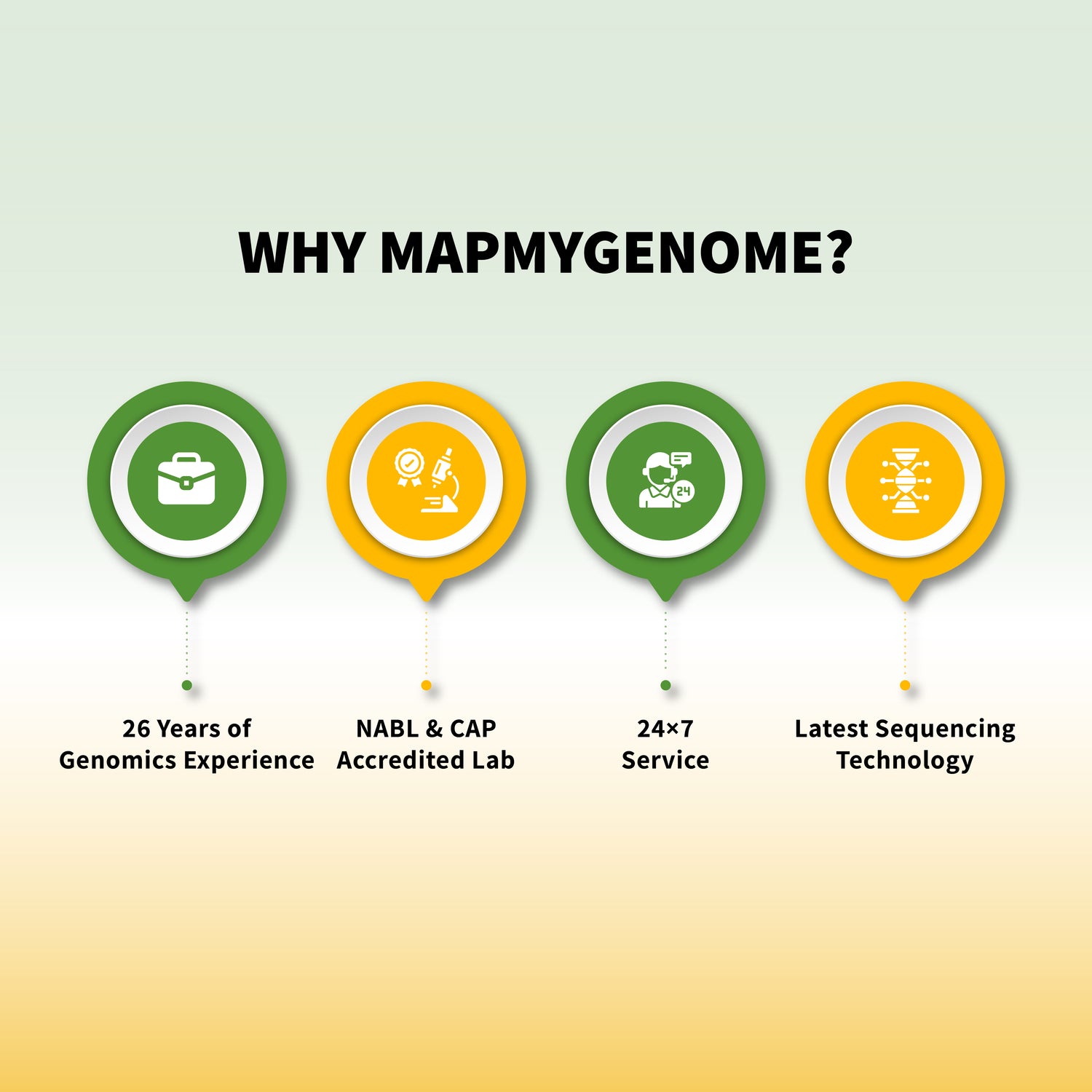
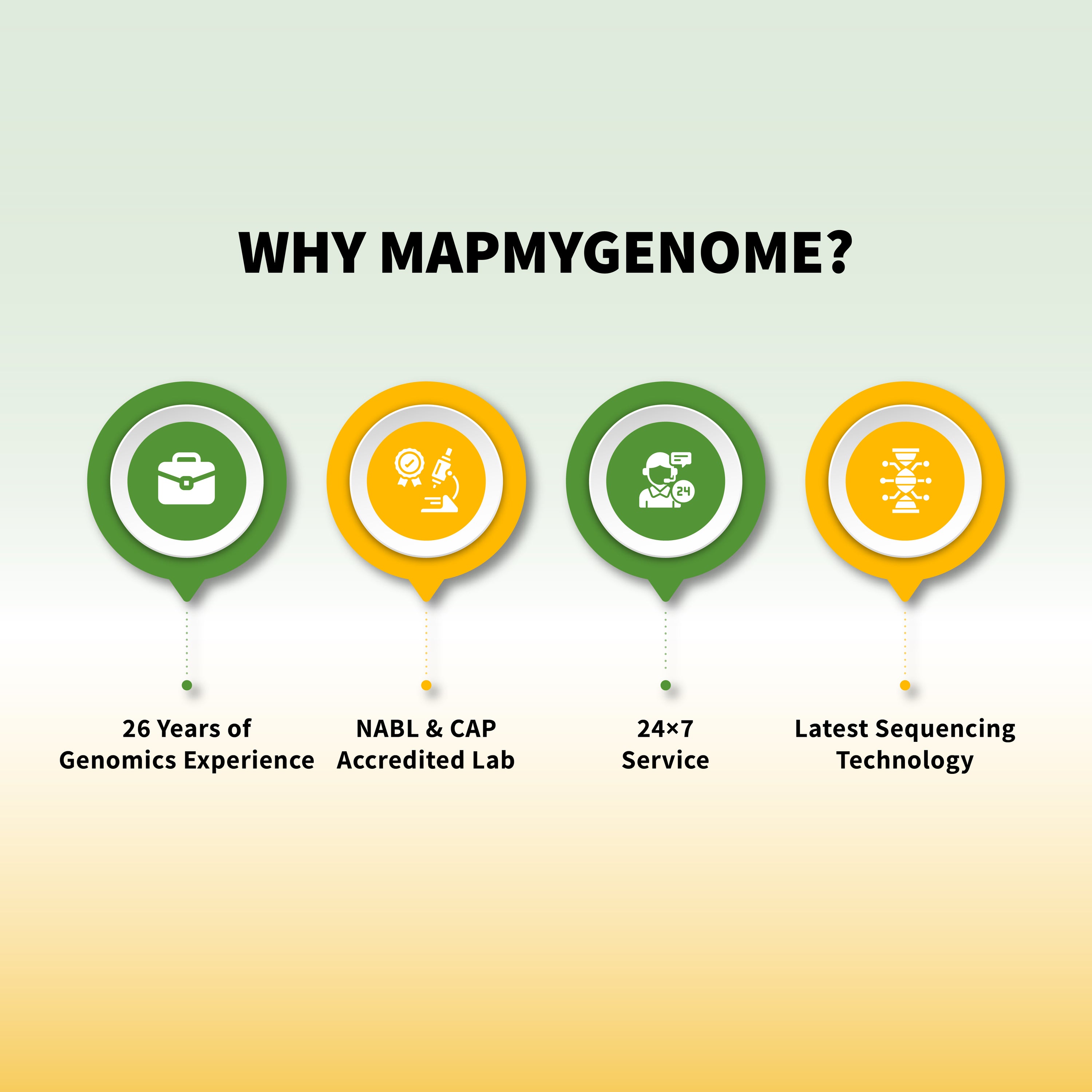
జెనోమ్పత్రి వ్యాధి ప్రమాదం, పోషకాహారం, ఫిట్నెస్, ఔషధ ప్రతిస్పందన మరియు క్యారియర్ స్థితికి సంబంధించి 100+ లక్షణాలను కవర్ చేస్తుంది — ధృవీకరించబడిన జన్యు కౌన్సిలింగ్ సెషన్ మరియు వ్యక్తిగతీకరించిన కార్యాచరణ ప్రణాళికతో సహా. NABL మరియు CAP-గుర్తింపు పొందిన ప్రయోగశాలలలో ప్రాసెస్ చేయబడుతుంది. జీవితకాలానికి ఒక పరీక్ష.
జెనోమ్పత్రిని అన్వేషించండి → జన్యు కౌన్సిలింగ్ బుక్ చేయండి →